Expert Diagnosis and Management at Novomed
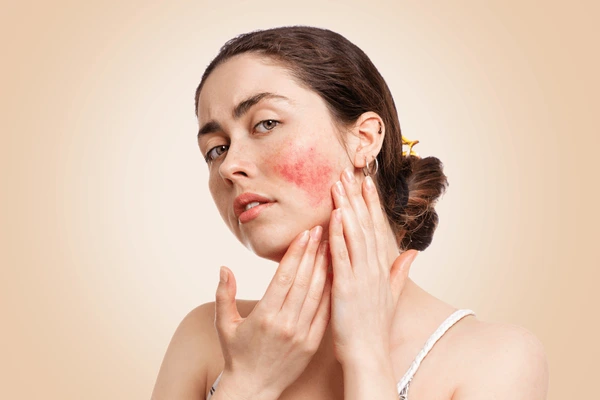
Rosacea is a chronic inflammatory skin condition that commonly affects the central areas of the face, including the cheek, nose, chin and forehead. It often appears as persistent redness that may resemble a blush or sunburn. In some individuals, the redness may be accompanied by visible blood vessels, small bumps or acne-like breakouts
Although rosacea is not a dangerous condition, it can significantly affect a person’s confidence and quality of life. The symptoms tend to fluctuate, with periods or flare-ups followed by times when the skin appears calmer.
At Novomed Clinics in Dubai, Abu Dhabi and Al Ain, rosacea is managed through personalized treatment plans designed to control symptoms, reduce inflammation and improve overall health. With the right medical care and lifestyle guidance, most patients can successfully manage the condition and prevent it from worsening.
What Causes Rosacea?
The exact cause of rosacea is not fully understood, but research suggests that a combination of genetic, environmental and immune system factors may contribute to the condition.
Certain triggers are known to worsen rosacea symptoms by increasing blood flow to the skin and causing inflammation. Common triggers include:
- Sun exposure
- Hot or windy weather
- Intense exercise
- Stress or emotional triggers
- Spicy foods
- Alcohol consumption
- Hot drinks or baths
- Certain skincare products
Identifying and avoiding personal triggers is an important part of managing rosacea and preventing flare-ups.
Risk Factors for Rosacea
While rosacea can affect individuals of any skin type, certain factors increase the likelihood of developing the condition. Age plays a role, as rosacea most commonly appears between the ages 30 and 50. Individuals with fair skin, particularly those with blonde hair and blue eyes, may be more susceptible.
Genetics may also contribute. Many patients with rosacea report having a family member who has experienced the condition or severe acne. People who have previously suffered from inflammatory acne, particularly cysts or nodules, may also be at a higher risk.
Types of Rosacea
Rosacea can appear in several forms, and the symptoms vary depending on the subtype.
- Erythematotelangiectatic Rosacea. This type is characterized by persistent redness and frequent flushing of the face. Small visible blood vessels may appear on the skin’s surface.
- Papulopustular Rosacea. Often referred to as acne rosacea, this form causes redness along with small red bumps or pus-filled pimples. These breakouts typically appear on the cheeks, chin or forehead.
- Ocular Rosacea. Ocular rosacea affects the eyes and eyelids. Symptoms may include redness, irritation, dryness, swollen eyelids or a sensation of burning or grittiness in the eyes.
- Phymatous Rosacea. This less common but more severe form causes the skin to thicken and develop a bumpy texture. It most frequently affects the nose, leading to a condition known as rhinophyma.
Understanding the specific type of rosacea is essential for selecting the most effective treatment approach.
Symptoms of Rosacea
The symptoms of rosacea can vary in severity and may include:
- Persistent facial redness
- Flushing or warmth in the skin
- Visible blood vessels on the face
- Acne-like bumps or pimples
- Burning or stinging sensations
- Dry or irritated skin
- Swelling or in affected areas
- Eye irritation, redness or dryness (in ocular rosacea)
Because these symptoms can resemble other skin conditions, a professional diagnosis is recommended.
When to See a Dermatologist
If you notice persistent redness, frequent flushing or bumps that resemble acne but do not respond to traditional acne treatments, it may be time to consult a dermatologist.
Early diagnosis can help prevent the condition from progressing. In some cases, untreated rosacea may lead to visible blood vessels, thickened skin or worsening inflammation.
Patients who experience eye irritation, swelling around the eyelids or dryness of the eyes should seek medical attention promptly, as ocular rosacea can affect eye health if left untreated.
How Rosacea is Diagnosed
At Novomed, diagnosis begins with a detailed dermatological assessment. The dermatologist will examine your skin as ask about your symptoms, medical history and potential triggers.
In some cases, additional tests may be performed to rule out other conditions that may resemble rosacea, such as lupus, allergic reactions, or certain types of dermatitis.
Once a diagnosis is confirmed, a personalized treatment plan will be created.
Rosacea Treatment Options
Although rosacea cannot be permanently cured, modern treatments can significantly reduce symptoms, control inflammation and improve the appearance of the skin.
Prescription Medications
Topical creams or gels may be prescribed to reduce redness and inflammation. In some cases, oral medication may be recommended to control more severe symptoms or persistent flare-ups.
Laser and Light-Based Treatments
Laser therapy and other light-based treatments can reduce visible blood vessels and persistent redness. These treatments work by targeting the dilated blood vessels beneath the skin, helping restore a more even skin tone.
Medical-Grade Skincare
Specialized skincare products designed for sensitive or rosacea-prone skin can help calm inflammation and protect the skin barrier. Dermatologists often recommend gentle cleansers, soothing moisturizers, and broad-spectrum sunscreen.
Lifestyle and Trigger Management
Avoiding known triggers is an important component of long-term rosacea management. Patients are often advised to:
- Use sun protection daily
- Avoid excessive heat exposure
- Limit spicy foods and alcohol
- Use gentle skincare products
- Manage stress levels
Combining medical treatment with lifestyle adjustments can greatly improve symptom control
Monitoring the Condition
Individuals with rosacea should monitor their skin for any changes. In particular, thickening of the skin or the development of firm, rounded bumps may indicate the early stages of phymatous rosacea.
This condition most often affects the nose and may lead to rhinophyma if left untreated. Early medical intervention can help prevent permanent changes to the skin structure.
How much does rosacea treatment cost in Dubai?
The cost of rosacea treatment in Dubai typically ranges from AED 300 to AED 3,000 per session, depending on the treatment method and severity of the condition.
Common costs include:
- Dermatology consultation: AED 300–800
- Prescription topical or oral medications: Additional cost depending on the treatment prescribed
- Laser or IPL therapy for redness and visible blood vessels: AED 800–3,000 per session
Many patients require a combination of medical treatment and multiple laser sessions to achieve optimal results. The exact cost depends on the severity of rosacea, the treatment plan, and the clinic.
Personalized Rosacea treatment at Novomed in Dubai
Our dermatology specialists at Novomed focus on long-term management strategies tailored to each patient’s skin condition. By combining medical expertise with advanced treatment technologies, the goal is to reduce flare-ups, improve skin comfort and restore a healthier skin appearance.
If you are experiencing symptoms of rosacea or persistent facial redness, scheduling a consultation with one of our dermatologists in Dubai, Abu Dhabi or Al Ain is the first step toward effective treatment and long-term skin health.