
Male Infertility: Causes, Diagnosis and Treatment in Dubai
Male infertility is a common yet often overlooked condition that can significantly impact a couple’s ability to conceive. It is medically defined as the inability to achieve pregnancy despite engaging in regular, unprotected sexual intercourse for at least one year. Studies show that approximately 10% to 15% of couples worldwide experience fertility challenges, with male factors contributing to nearly half of these cases.
While infertility can be emotionally challenging, it is important to understand that many causes are treatable. With advancements in medical technology and specialized care, effective solutions are available to help men improve their fertility and achieve successful conception.
Understanding Male Infertility
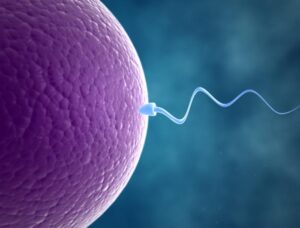
Male fertility primarily depends on the production of healthy sperm and the ability to deliver it effectively. For natural conception to occur, sperm must be produced in adequate numbers, have good motility and possess normal structure. Any disruption in these factors can lead to reduced fertility.
Infertility may result from a single issue or a combination of factors, including medical conditions, lifestyle habits, hormonal imbalances or structural abnormalities in the reproductive system.
Common Causes of Male Infertility
1. Abnormal Sperm Production and Function
One of the most common causes of male infertility is poor sperm quality. This may include:
- Low sperm count
- Poor sperm motility
- Abnormal sperm shape
These issues can prevent sperm from reaching or fertilizing the egg successsfully.
2. Lifestyle and Environmental Factors
Certain lifestyle habits can significantly affect male fertility, including:
- Smoking and tobacco use
- Excessive alcohol consumption
- Drug use
- Poor diet and obesity
- Exposure to environmental toxins, chemicals or radiation.
Heat exposure (such as frequent sauna use or tight clothing) can also negatively impact sperm production.
3. Genetic Disorders
Genetic conditions can play a role in male infertility. One of the most common is Klinefelter’s syndrome, where a man has an extra X chromosome (XXY instead of XY). This can lead to:
- Underdeveloped testicles
- Low testosterone levels
- Reduced or absent sperm production
Genetic testing may be recommended in certain cases to identify underlying abnormalities.
4. Hormonal Imbalances
Hormones produced by the hypothalamus and pituitary gland regulate sperm production. Any disruption in these hormones can affect fertility. Conditions that may lead to hormonal imbalances include:
- Pituitary disorders
- Low testosterone levels
- Thyroid dysfunction
Hormonal therapy may be used to correct these imbalances and improve fertility outcomes.
5. Infections
Infections can temporarily or permanently affect sperm production and function. Common infections linked to male infertility include:
- Sexually transmitted infections (STIs) such as chlamydia and gonorrhea.
- Prostatitis (inflammation of the prostate)
- Epididymitis (inflammation of the epididymis)
- Mumps after puberty, which can damage the testicles.
These conditions may lead to scarring or blockage in the reproductive tract.
6. Undescended Testicles
During fetal development, the testicles normally descend into the scrotum. If one or both testicles fail to descend, it can result in:
- Reduced sperm production
- Increased risk of infertility
Early surgical correction can improve outcomes in many cases.
7. Varicocele
A varicocele is an enlargement of veins within the scrotum and is one of the most common reversible causes of male infertility. It can:
- Increase testicular temperature
- Disrupt normal sperm production
- Affect sperm quality
Microsurgical varicocelectomy is a highly effective treatment option with excellent success rates.
8. Structural Abnormalities
Blockage or abnormalities in the male reproductive tract can prevent sperm from being delivered. These may include:
- Congenital absence of the vas deferens
- Scarring from infections or surgeries
- Ejaculatory duct obstruction
Surgical correction may restore normal sperm flow in some cases.
Diagnosis in Male Infertility
A thorough evaluation is essential to identify the underlying cause of infertility. At specialized urology clinics, the diagnostic process typically includes:
Medical History and Physical Examination
Your doctor will review your medical history, lifestyle and any previous conditions or treatments. A physical examination will assess the testicles, penis and prostate.
Semen Analysis
This is the most important test for evaluating male fertility. It assesses:
- Sperm count
- Motility
- Morphology
- Semen volume
Multiple samples may be required for accurate resutls.
Hormonal Testing
Blood tests are used to measure hormone levels, including testosterone and other reproductive hormones.
Imaging Studies
Ultrasound or other imaging techniques may be used to detect structural abnormalities, such as varicocele or blockages.
Advanced Testing
In some cases, additional tests may be recommended, including:
- Genetic testing
- Sperm DNA fragmentation testing
- Testicular biopsy
Despite thorough evaluation, some cases remain unexplained (idiopathic infertility)
Treatment Options for Male Infertility
Treatment depends on the underlying cause and may involve one or more apporaches:
1. Lifestyle Modifications
Simple changes can significantly improve fertility:
- Quitting smoking and reducing alcohol intake
- Maintaining a healthy weight
- Eating a balanced, nutrient rich diet
- Managing stress
- Avoiding excessive heat exposure
2. Medical Treatment
Medications may be prescribed to:
- Treat infections
- Correct hormonal imbalances
- Improve sperm production
3. Surgical Treatment
Surgical options may be recommended for:
- Varicocele repair
- Correction of blockages
- Retrieval of sperm directly from the testicles
4. Assisted Reproductive Techniques
When natural conception is not possible, advanced fertility treatments can help:
- In Virto Fertilization: Sperm and eggs are combined in a laboratory to create embryos, which are then transferred to the uterus.
- Intracytoplasmic Sperm Injection: A single sperm is injected directly into an egg, making it highly effective for severe male infertility cases.
These techniques have significantly improved success rates for couples struggling with infertility.
When to See a Specialist
You should consult a specialist if:
- You have been trying to conceive for over a year without success
- You have a history of testicular, prostate or sexual health issues
- You experience symptoms such as low libido or erectile dysfunction
- You have known risk factors such as varicocele or hormonal imbalance
Early diagnosis and treatment can greatly improve your chances of successful conception.
Book your appointment at Novomed today!
Male infertility is manageable condition with many effective treatment options available. With the right diagnosis and personalized treatment plan, many men can overcome fertility challenges and achieve their goal of starting a family.
If you want to know more about male infertility treatment or to book an appointment with our expert andrologists in Dubai call us on the toll-free number 800 (NOVO) 6686 or click the live chat icon at the bottom of the screen.